Google Opens Gemini and Search to More Apps
Google launched a Connected Apps Platform to link more third-party apps to Gemini and Search. It could reshape how AI agents change app discovery.
What Is Google’s Connected Apps Platform?
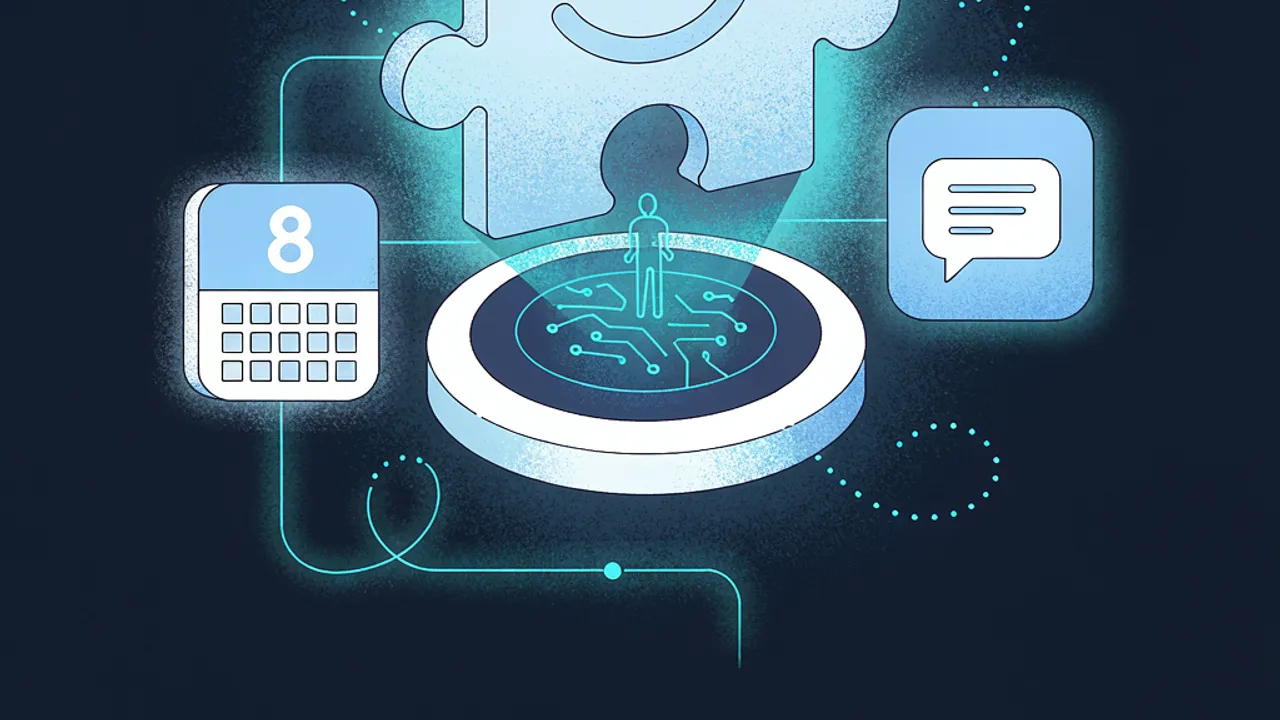
Google announced a new Connected Apps Platform, according to TechCrunch. The company said it will make it easier for businesses to connect their apps to Google's AI experiences across Search and Gemini. The move is meant to let third-party services be used through Google's AI tools, at a time when AI agents are changing how the web is used. Connected apps let users securely link and interact with popular third-party services, then use them to take specific actions. A user could connect to Canva to design a flyer, or connect to YouTube Music to build a playlist.
The announcement matters because it arrives as AI agents reshape the web. Google’s approach differs from earlier integrations seen with other consumer-facing AI services, including ChatGPT and Meta's Muse, though TechCrunch notes varying takes on the idea. The broader question is whether AI becomes the interface that people use to reach the services they already prefer.
The platform is a developer-facing effort, but its effects could reach consumers. According to the source, Google introduced connected apps in Gemini and Google Search earlier this year. The debut of the Connected Apps Platform adds a way for businesses and developers to submit their own connected apps and monitor performance. The source describes the announcement as a response to the challenge of building a large enough set of integrations.
The details are still early. Google has not said when the broader rollout will happen, and the public preview is limited to U.S. developers who sign up for the waitlist. That means the company is testing the model before scaling it.
Why Does the Agentic Web Need Connected Apps?
Google said its goal is to support a wider range of connected apps so its AI experiences can offer more useful actions. The company already has more than 50 Connected Apps available in Gemini, including partners such as Adobe, Experian, Localiza, Peloton, and others, along with Google services like Workplace, Photos, YouTube Music, and Google Home. These are expected to come to Google Search over the next few weeks. Search currently has fewer integrations, including Instacart, Canva, YouTube Music, Yahoo Fantasy Football, and others.
Google also said meditation app Calm is a new partner that will soon launch on both Gemini and Search.
For businesses, the implication is visibility. The TechCrunch report suggests this could be an early step for companies that want their services to be more discoverable to users on the agentic web. In effect, Google is positioning connected apps a bit like an evolution of search visibility, where actions and services are surfaced through AI rather than only through traditional links.
The need for breadth is central. Google said that to successfully capture and retain consumers’ attention, there have to actually be a wide range of connected apps to explore. That line captures the strategic risk: an AI assistant is only as useful as the services it can connect to.
The report does not claim that the integrations will immediately replace native apps. Instead, it frames the shift as a possible change in consumer behavior.
How Can Developers Submit Apps to Google?
The Connected Apps Platform preview is currently available in beta to developers in the U.S. Developers can join a waitlist, according to Google. The process involves integrating with a cloud-hosted Model Context Protocol, or MCP, server or Android MCP using the AppFunctions APIs. Developers then use the Google Connected Console to register, test, and submit their app.
Developers can choose whether their app is available through Search, the Gemini app, or both. After launch, developers can track traffic, latency, and error rates. They can also maintain control over brand identity, such as verified logos and authenticated accounts.
Google did not share when the platform would become more broadly available.
The AppFunctions APIs and Google Connected Console are technical details, but they signal how seriously Google is treating the integration layer. The company wants developers to build once and distribute through Google’s AI surfaces. The ability to choose Search, Gemini, or both gives developers flexibility, though the preview limits who can participate for now.
The setup uses a cloud-hosted MCP server or Android MCP with AppFunctions APIs, which are technical routes for connecting an AI system to an app. The Google Connected Console is where developers register, test, and submit the app.
What Could This Change for Consumers?
The central promise is that users may not need to open many separate apps. Instead, they could use their preferred AI provider to access the services they favor. That idea could shift consumer behavior away from launching individual apps and toward using favorite services through an AI assistant or search product.
Still, the report makes clear that success depends on having a wide range of connected apps. If developers submit only a small number of experiences, the benefit may be limited. Google’s public preview will test whether enough businesses and developers adopt the platform.
The broader implication is competition. If Google opens its AI experiences more widely, other AI providers may face pressure to offer similar app ecosystems. That could change how consumers discover software, book services, create content, or manage accounts.
How Is Grafy Responding to Google’s Connected Apps Push?
Grafy’s Operator is a browsing agent designed to perform web tasks, which places it in a related conversation about AI agents and app-like actions. The Google news is not directly about Grafy, and Grafy is not opening a Google-style Connected Apps Platform. Still, creators and developers who build AI workflows may find the broader movement toward agentic app integration relevant. In Grafy Chat, users can work across many AI models side by side, which could be a place to compare how different assistants handle connected-service workflows.
For Grafy News, the story is less a product update than a signal about where AI agent infrastructure is heading. The Connected Apps Platform suggests that app-to-AI integration may become a major product category. Grafy’s Operator and Chat apps are already oriented around agentic and multi-model workflows, even if they are not the same as Google’s new developer platform.
The connection is thematic rather than direct. Grafy is not part of Google's developer program, and the announcement does not say that Grafy plans to adopt the platform.
Frequently asked questions
What is Google’s Connected Apps Platform?
Google’s Connected Apps Platform is a developer system for linking third-party apps to Google’s Gemini and Search AI experiences. According to TechCrunch, it allows businesses to submit connected apps that users can securely link and use to take specific actions. The preview is in beta for U.S. developers who join a waitlist.
Why is Google opening Gemini and Search to more apps?
Google is opening its AI experiences to more apps as AI agents reshape the web. The company hopes connected apps will make its AI tools more useful and help shift consumer behavior toward using favorite services through an AI provider. The move could affect how people discover and use apps in the agentic web.
How can developers join the Connected Apps preview?
Developers can join the public preview waitlist in the U.S. They would integrate with a cloud-hosted MCP server or Android MCP using AppFunctions APIs, then use the Google Connected Console to register, test, and submit their app. Availability through Search, Gemini, or both can be chosen.
Source: TechCrunch — AI — As AI agents reshape the web, Google opens Gemini and Search to more apps
More news

Google Launches Gemini 4 Carbon in Cybersecurity Push
Google launched Gemini 4 Carbon, touting a significant cybersecurity leap and top benchmark results. Here’s what it means for AI coding and agents.
AOS-Bench Tests Whether AI Agents Can Handle Streams of Work
A new arXiv benchmark called AOS-Bench tests whether coding agents manage task streams under shared compute limits. It matters for persistent agents.

The RealReal upgrades bot defenses to stop AI agents hoarding goods
The RealReal upgraded its bot‑defense to curb AI agents such as Meta’s Muse from reserving and monopolizing items.