Actor licenses AI likeness to microdrama startup Shortical
Israeli actor Aki Avni has licensed his digital face to Shortical for AI-generated microdramas, signaling a shift in how talent may monetize likeness.
 Source: TechCrunch — AI
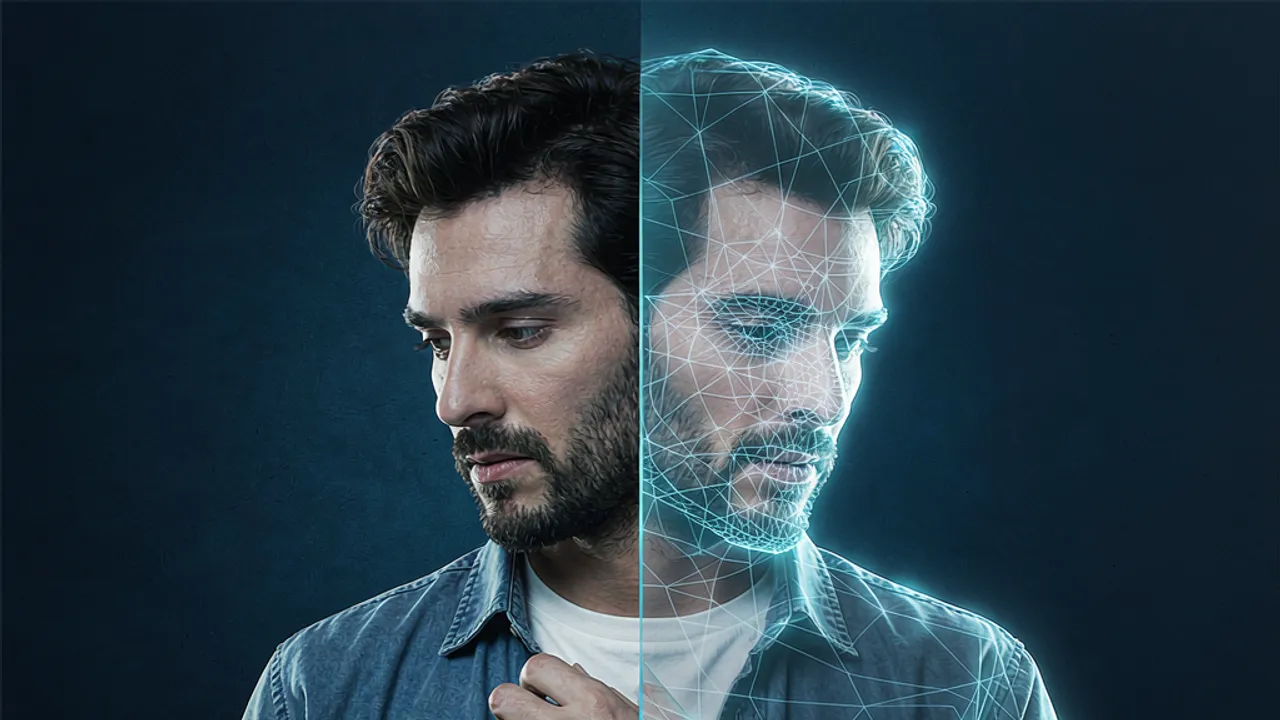
An Israeli actor has taken the unusual step of licensing his digital likeness to a microdrama startup, marking a potential shift in how performers engage with generative AI. According to TechCrunch, actor Aki Avni has partnered with Shortical to provide his face for the creation of an entirely AI-generated series titled "Inevitable."
This move represents a departure from traditional Hollywood production models. While microdramas—short, serialized stories designed for mobile viewing—have long been a staple of digital consumption, particularly in China, the integration of licensed AI avatars introduces a new layer of complexity regarding intellectual property and professional identity.
What is the Shortical licensing model?
Shortical is a startup that specializes in producing melodramatic, bite-sized episodes, often centered on romance. The company's business model relies on subscriptions, where viewers typically access the first few episodes for free before paying a monthly fee to unlock the full series.
According to TechCrunch, the company is increasingly turning to AI-generated content because the production overhead is significantly lower than traditional live-action filming. This allows the studio to produce high-concept content, such as fantasy or superhero stories involving dragons and werewolves, which might otherwise be cost-prohibitive for a mobile-first microdrama budget.
To facilitate this, Shortical has begun advertising a "LICENSE YOUR FACE" program. The company invites creators to submit social media handles for review, with the intent to offer contracts for the use of their personas in AI-driven content. While a company representative told TechCrunch that the Avni deal was a direct agreement rather than a platform-wide rollout, the company intends to promote face-licensing more actively following this launch.
How much are creators being paid for their likeness?
Specific financial details regarding Aki Avni's contract were not disclosed by Shortical. However, a company representative stated to TechCrunch that Avni joined as a partner and received compensation consistent with industry standards for comparable non-AI acting roles.
For non-celebrity creators, the financial landscape appears more varied. TechCrunch cites a report from Rest of World indicating that microdrama firms in China have paid individuals between US$15 and US$700 to license their facial likenesses. There is also ongoing uncertainty regarding whether these deals will include royalty-based compensation, such as residuals. Guy Shimoni, CEO of Shortical, told TechCrunch that such arrangements are handled on a "case by case" basis.
What are the industry concerns regarding AI automation?
The rise of AI-generated content has sparked significant debate among entertainment professionals. Many creators fear that automation could decimate entry-level opportunities. Jennifer Cooper, founder of the consultancy Vertical Drama Love, told TechCrunch that the industry, which once provided a vital stepping stone for young actors, is being "decimated" by the shift toward content that does not require human performers.
Beyond job security, there are deep-seated concerns regarding consent. Some creators have reported having their likenesses used without permission. Shortical's move toward formal licensing is an attempt to address these issues by establishing direct legal agreements, yet the broader industry remains skeptical. Cooper noted that while some AI content garners millions of views, much of it may be pushed onto audiences rather than being driven by organic demand.
Is this a growing trend in the entertainment sector?
The trend of using AI to drive growth is heavily influenced by venture capital interest. According to Cooper, mentioning "AI" has become almost essential for microdrama startups seeking investment, as automation is viewed by many investors as a primary driver of scalability.
While the microdrama industry originated in China—where AI-generated content and face-licensing are already established trends—the arrival of such deals in the West suggests a potential global expansion of the model. The industry is also exploring new ways to manage these digital assets, such as Shortical's partnership with Payouts.com, a platform designed to handle large-scale disbursements for the gig economy.
How can creators apply these concepts in Grafy?
While the licensing of a human face for a commercial series is a complex legal and professional undertaking, the underlying technology of generating high-quality cinematic content from digital assets is becoming more accessible to independent creators.
For those looking to experiment with AI-driven storytelling and character consistency, Film Studio in Grafy provides a workspace to plan and assemble short films. Additionally, creators interested in the visual aspects of character generation can utilize Creator to produce the imagery that forms the basis of digital personas. For those researching the legal or economic implications of AI in media, Reader can be used to analyze academic papers and industry reports on digital likeness rights.
Frequently asked questions
Does Aki Avni license his face to Shortical?
Aki Avni has licensed his face to the microdrama startup Shortical. This agreement allowed the company to use his likeness to create a digital avatar for an entirely AI-generated series called "Inevitable," which explores a meta-narrative about an actor licensing his persona.
Is Shortical using AI to reduce production costs?
Shortical uses AI-generated content because the production overhead is substantially less than live-action filming. This reduction in cost allows the company to produce more ambitious, high-concept stories, such as epic fantasies, within a mobile-first microdrama budget.
Do microdrama firms pay creators to license their likenesses?
Some microdrama firms do pay creators for their likenesses, though rates vary significantly. According to reports cited by TechCrunch, some firms in China have offered payments ranging from US$15 to US$700 to license a person's facial likeness for use in their content.
More news

Thinking Machines launches Inkling 2 Mini for local AI reasoning
Thinking Machines Lab released Inkling 2 Mini, a looped transformer model designed for local deployment on laptops without sacrificing reasoning power.

Lean community verifies proof of the Riemann Hypothesis
Levent Alpöge has released a 17-million-line Lean library proving the Riemann Hypothesis, a milestone now certified by the Lean and Mathlib communities.
OpenAI's Dean Ball warns of the 'Silent Consensus' on human primacy
Dean Ball of OpenAI argues that a growing, unspoken acceptance of AI-driven governance could lead to the loss of human authority over civilization.