Tidal to ban fully AI-generated music and delete 27 million tracks
Tidal has announced a total ban on fully AI-generated music, scheduled for December 9. Learn why the streamer is deleting 27 million tracks.
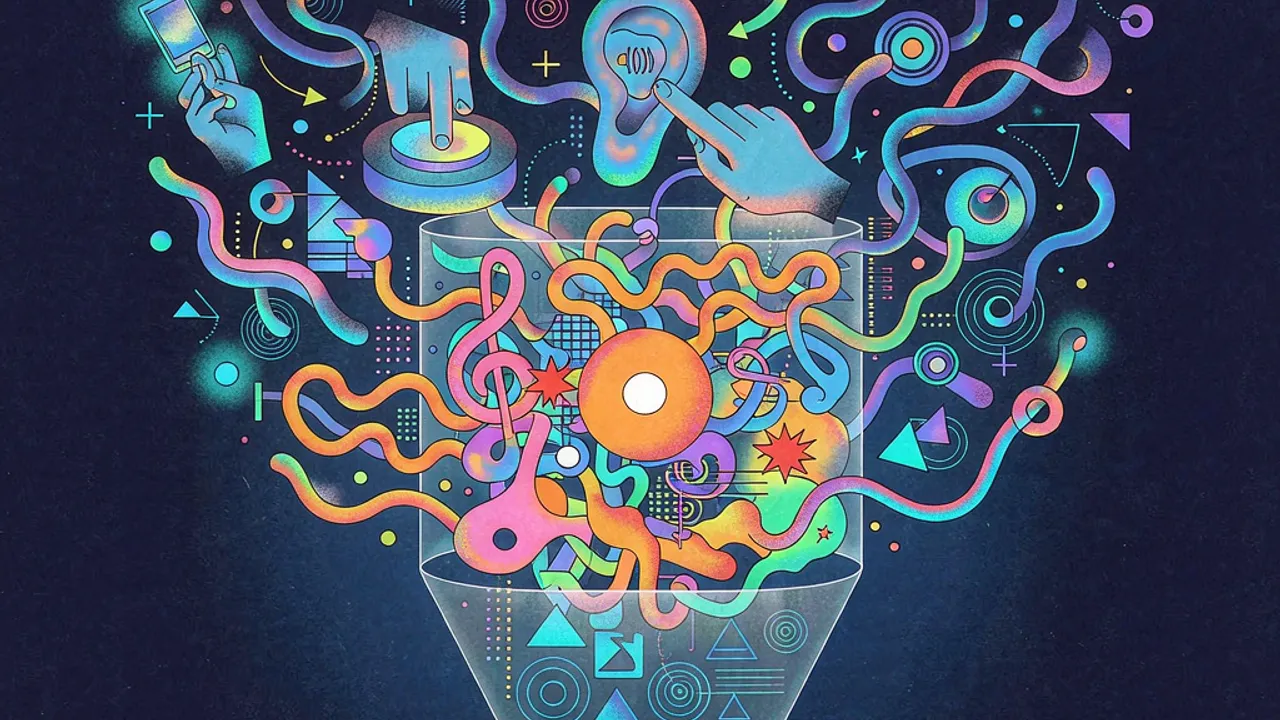 Source: Ars Technica
Tidal is moving to completely prohibit fully AI-generated music on its platform, a decision that will result in the removal of approximately 27 million tracks. This policy shift aims to protect human artists from the perceived harms of automated content generation.
Why is Tidal banning AI music?
According to Ars Technica, Tidal's decision stems from concerns regarding the impact of artificial intelligence on the livelihoods of human creators. The company argues that AI models can produce noise at a speed that far outpaces human creativity, which can mislead listeners and divert royalty payments away from actual musicians.
Beyond the economic impact, Tidal has noted issues with bad actors using AI to impersonate specific artists. The streamer reported that it had already removed roughly 66,000 tracks for artist impersonation prior to this new announcement. By banning fully automated tracks, Tidal hopes to mitigate the influx of "AI slop" that has begun to saturate streaming catalogs.
How many tracks will be removed?
On December 9, Tidal plans to delete 27 million tracks that have been identified as fully AI-generated. While this represents 6.3 percent of the platform's total catalog, the company maintains that the removal will have a negligible impact on its user base. Tidal reported that 96 percent of these AI-labeled tracks had received zero plays over the previous 90 days.
The urgency of the ban follows a significant surge in automated uploads. Tidal reported that in the 90 days leading up to the announcement, 43 percent of all new uploads were entirely AI-generated. By November 6, that figure had climbed to 60 percent of all new content.
Does this ban affect all AI tools?
No, the policy is specifically targeted at music that is fully created by AI. Tidal has clarified that artists are still permitted to use AI tools as part of their creative process, provided that the final musical product contains human elements. The ban focuses on content where the AI is the sole creator, rather than an assistant to a human composer.
How will Tidal detect AI-generated content?
While Tidal has not explicitly detailed its specific detection methodology, industry experts suggest the platform will likely rely on digital watermarking. According to Ars Technica, 94 percent of the AI music currently on Tidal originates from Suno, a service that implemented watermarking earlier this year.
Other technologies, such as Google Lyria's SynthID, also embed labels directly into audio waveforms to identify AI provenance. While some services, such as Deezer, claim to use detectors with false-positive rates below 0.01 percent, it remains to be seen which specific technical safeguards Tidal will employ to ensure compliance from individual uploaders and distributors.
What are the limitations of this ban?
Despite the planned purge, experts warn that a complete solution may be difficult to achieve. The detection of AI music often relies on specific watermarks, but many cloud-based providers do not currently use them. Furthermore, users can run open-source generative models locally on their own hardware (GPUs) to create music that lacks embedded identifiers.
This creates a persistent "cat-and-mouse game" between platform moderators and those seeking to bypass detection. While Tidal's policy should address the majority of automated uploads, the ability to verify the provenance of digital media remains a significant challenge for the entire industry.
How does this compare to other streamers?
Unlike Tidal, most major competitors have chosen a strategy of labeling rather than banning. Spotify, Apple Music, YouTube Music, and Deezer all allow AI-generated music on their platforms, typically accompanied by a label indicating its nature. Spotify has notably used user feedback to assist in the removal of millions of AI-generated tracks, but it has not moved toward a total ban of the medium.
Applying AI in a controlled creative workflow
For creators looking to use AI as a collaborative partner rather than a replacement, tools like Music Studio allow for a more structured approach to composition. Instead of generating entire songs from a single prompt, users can write, arrange, and render music, ensuring that human intent and direction remain at the core of the creative output.
Frequently asked questions
When will Tidal delete the AI tracks?
Tidal is scheduled to delete the 27 million fully AI-generated tracks on December 9. This date marks the implementation of the new policy where individual uploaders and distributors will no longer be permitted to add fully AI-generated music to the service.
Does Tidal allow the use of AI in music production?
Yes, Tidal allows artists to use AI tools as long as the final musical product contains human elements. The ban is strictly limited to music that has been fully created by AI without human intervention.
What percentage of Tidal's catalog is AI-generated?
AI-labeled tracks currently account for 6.3 percent of Tidal's total catalog. This total comprises approximately 27 million tracks that were added to the platform over the last couple of years.
Source: Ars Technica — Tidal announces ban on AI-generated music; 27 million tracks will be deleted
More news
Tidal to remove millions of fully AI-generated tracks
Tidal is banning fully AI-generated music to combat platform inundation. Learn why the streaming service is removing 29 million tracks this year.

New RoFE method fixes multimodal tabular learning errors
Researchers have introduced RoFE to prevent data geometry collapse in multimodal learning, improving performance when labeled data is scarce.

New Framework Evolves Evaluation for Computer-Use Agents
Researchers have introduced CUA-SEE, a closed-loop system that automatically creates harder tasks and verifiers to keep pace with improving AI agents.