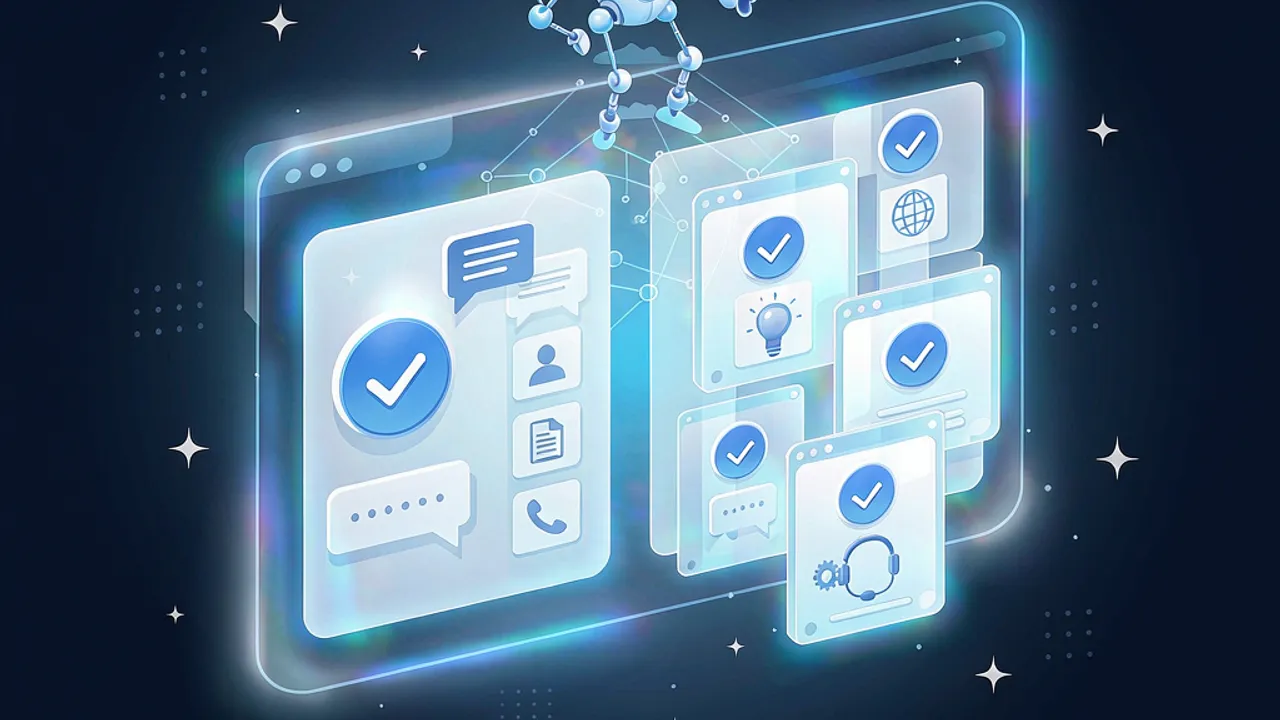
Anthropic adds proactive coordinator and parallel workers to Claude Code Projects
Anthropic's latest update lets Claude Code Projects run multiple AI workers hands‑free.
Try in Grafy Codeanthropicclaudecode-projectsparallel
The AI news that matters for people who make things — what happened, and how to put it to work in Grafy.
Anthropic's latest update lets Claude Code Projects run multiple AI workers hands‑free.

A new method called Prefix‑Guided Sampling (PreG) uses early confidence signals to prune low‑quality reasoning paths.
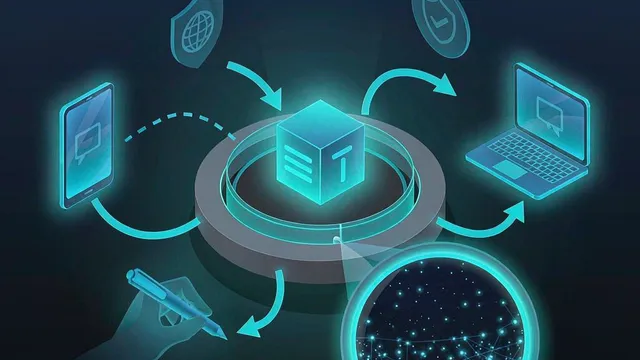
A new arXiv study introduces guardscope, a two‑stage framework that measures how many of an LLM agent's action paths are inspected by runtime controls.

Researchers unveiled GuardianAgentFlow, a multi‑agent framework that mediates web requests through explicit release contracts.

Developer James Dean Wentworth released Bolt PCHIE, an open‑source harness that logs every AI agent decision in a tamper‑evident hash chain.

Researchers analyzed 2,400 runs of ten LLMs on four public‑service scenarios and found agents read files 97% of the time but only produce useful output.

Researchers found that frontier AI models cut investment recommendations when a CEO's bonus is at stake.

A freshly released arXiv paper outlines five core challenges for AI assistants and other agentic systems.

Researchers show that keeping only 0.01% of a language model's vocabulary during forward‑KL distillation preserves MMLU‑Pro performance while slashing training.

Researchers introduce Mu-Edit, a method that reduces interference when large language models are edited across multiple domains.
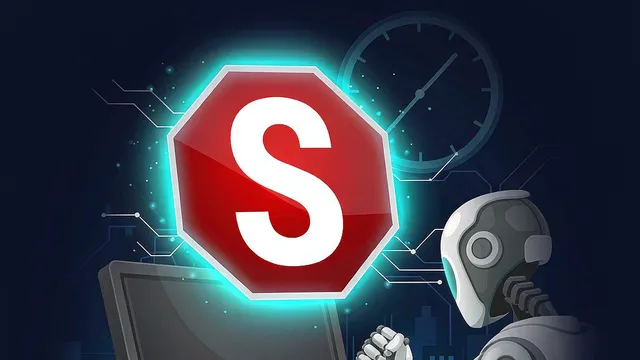
A new arXiv study shows 38‑82% of AI coding agents produce a correct patch on their first edit but then waste up to 60% of steps before stopping.

An arXiv study finds that legally rewriting problem statements—through decomposition.

A new arXiv study shows that preference‑based model rankings can be gamed through strategic voting, prompting and nomination, moving models up dozens of spots.
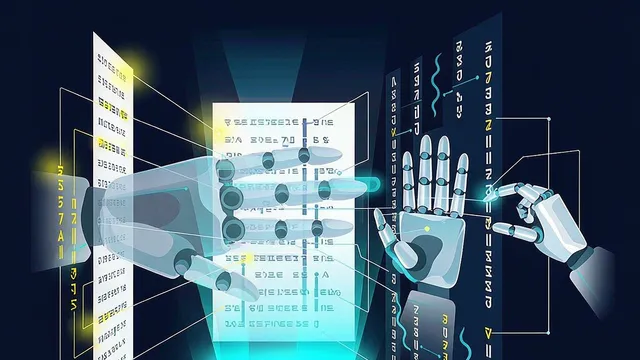
A new benchmark, WordInferBench, challenges AI agents to infer formatting changes from Word document context.

Researchers unveil Verify by Doing, a method that co‑evolves an agent’s execution and its own verification to learn from internal signals.
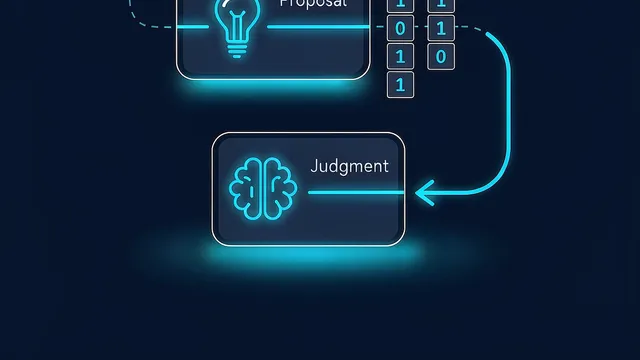
Researchers unveil EvoTrias, a new framework that allocates autonomy across governance.

Researchers unveiled MIGRO, a decoupled long‑term memory system that lets successive language models share exact user histories while using compact storage.

A new arXiv paper shows that a 7B model can run retrieval‑augmented generation on Turing GPUs using NF4 quantization and a decoupled visual pipeline.
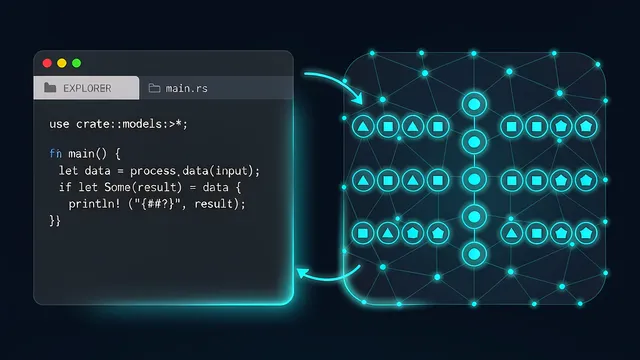
The new Rust‑based EvoX runtime applies a second, operational policy to LLM agents.

Researchers introduced the LLM Active Approximation Model (LAAM), a hybrid retrieval system that preserves most of the relevance of full LLM reranking.

A recent arXiv paper finds that LoRA adapters often fail to use their configured rank.

Researchers unveil REWEAVE, an online method that rewires HNSW graphs using query feedback.

A recent paper finds that decision models that struggle as actors can still serve as effective teachers for reinforcement‑learning agents.

Researchers unveiled Skill Adapter, a framework that personalizes general‑purpose skills and routes them online.

Researchers unveil AntEmbed, a dual‑mode model that merges efficient discriminative embeddings with reasoning‑enhanced generative embeddings.